Review: The Great Gatsby by touring company
by Brian Paul Scipione
F. Scott Fitzgerald’s novel The Great Gatsby had its 100th anniversary just last year and the media focused on the fact that it is still being taught in schools. The most recent of its many adaptations is Baz Luhrmann's treatment in the film starring Leonardo DiCaprio that grossed more than $350 million worldwide. So, it's no surprise that the Broadway musical is distinctly inspired by the film’s aesthetic.
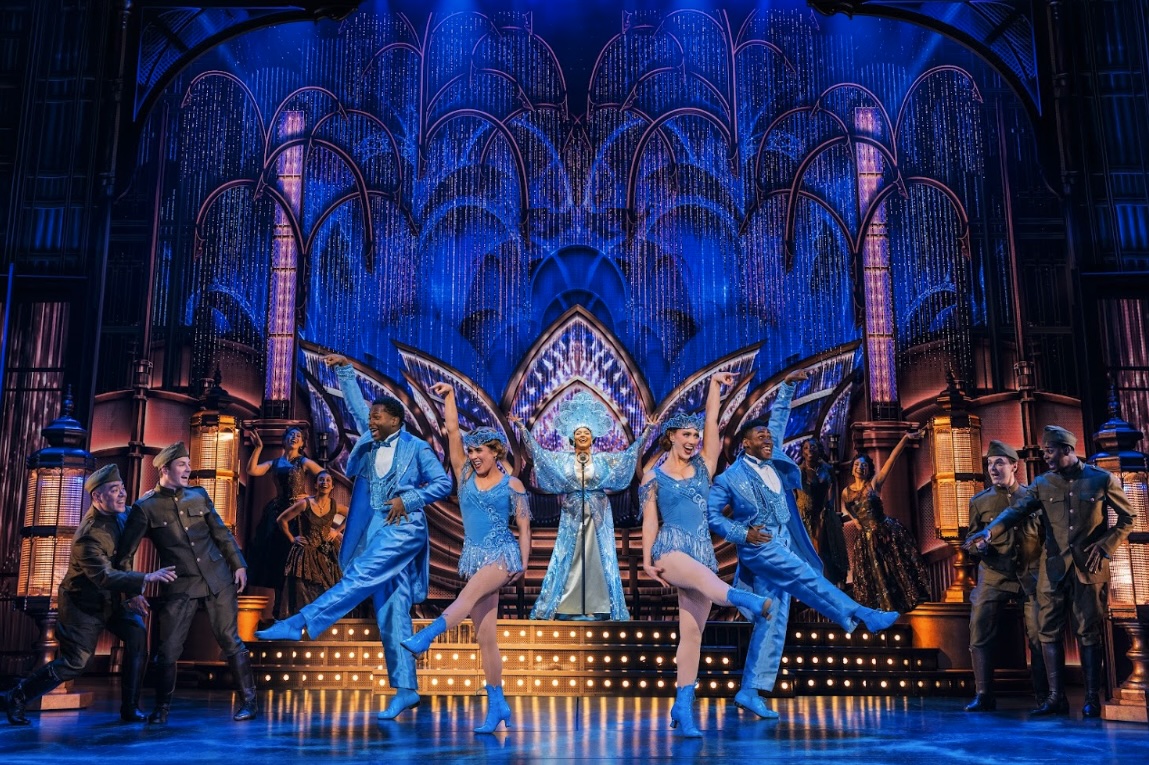
The 2023 musical features music and lyrics by Jason Howland and Nathan Tysen and a book by Kait Kerrigan. It quickly moved to Broadway in 2024, then had its European premiere in 2025, followed by this North American tour in 2026. Critics focused on the adaptation’s lack of recognition of the source’s tragic nature. Tragedy is the reason The Great Gatsby is still taught; beneath the story's glittering façade, the novel is the Great American Tragedy. Yet the musical version is not.
[Spoilers ahead, both for the novel and the musical.]
By significantly changing the plot line and adding another love story, they've created a version that instead is essentially the Great American Rom-Com. In the novel, Jordan Baker and Nick Carroway’s romance is a casual summer fling; the play turns it into a significant subplot with a hyped-up proposal scene. In the novel, Fitzgerald deliberately doesn’t initially reveal Gatsby’s obsession with Daisy, establishing mystery and complexity that cement his status as an American icon. The musical doesn't wait, because it's in a hurry to get right to the love story.
%2C_eric_anderson_(below)_(photos_by_michael_murphy_and_evan_zimmerman)_adj.jpg)
The musical has Jordan (rather than Gatsby) introduce Nick to Meyer Wolfsheim with a whimsical song called “New Money.” The number deflates the sinister aspect of Wolfsheim’s corrupt business dealings and Gatsby’s questionable relationship with him. And a final point: the majority of Gatsby’s backstory is left out. All this rewriting dilutes some of the greatest characters in American literature to the status of reality TV stars bickering over perceived status.
And yet none of this takes away from the audience’s visceral enjoyment of the high-quality value production values.
Another interesting choice is the soundtrack. While catchy and upbeat, it's influenced more by smooth jazz and seventies pop than the ragtime jazz stylings of the novel’s 1920’s setting. Vamping in some numbers is so persistent that some lyrics are incomprehensible upon first listen. The dialogue is snappy and true to form, like witty Dorothy Parker-esque banter. The exposition moves so fast that it may require prior knowledge of the story, but I can’t imagine that being an issue, given the international success of the Luhrmann film. The costumes, though glitter-heavy, are dazzling and fun. The costuming is matched by the excellent lighting and scenic design—both are over-the-top pomp and circumstance, again just like the movie. And the cast’s performances are all equally stellar with professional caliber singing and dancing.
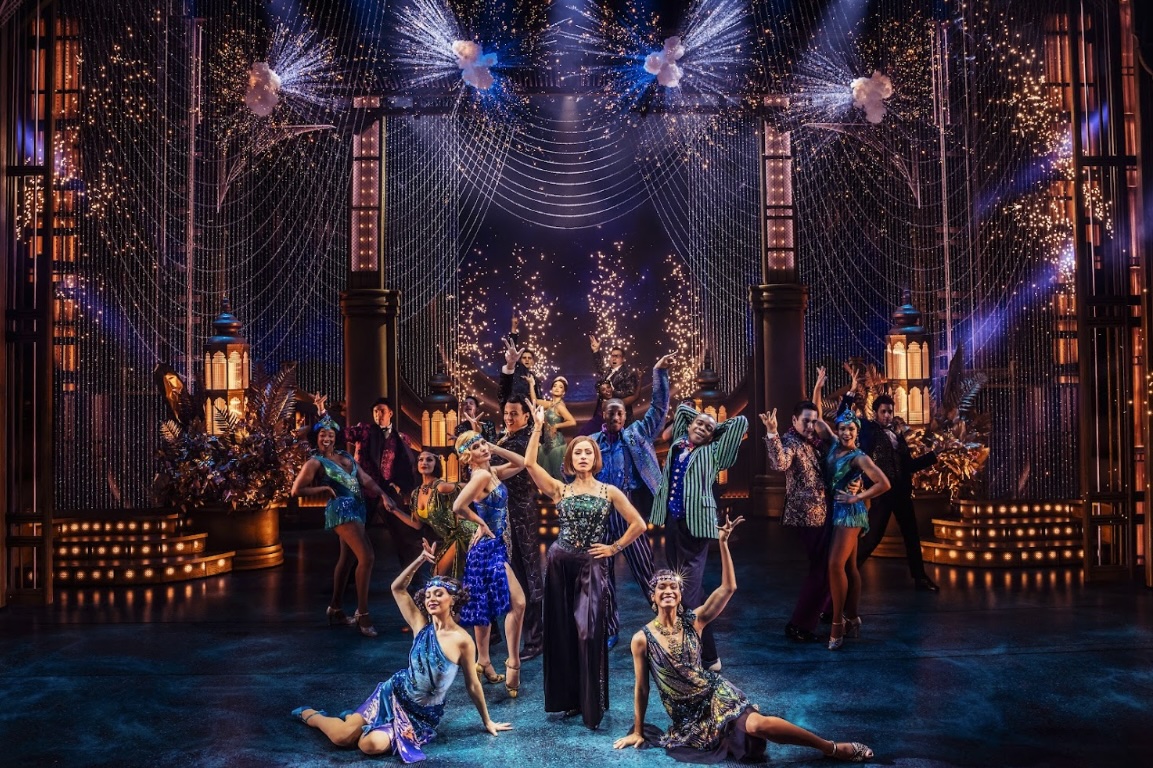
Unlike the movie and the novel, the musical ignores social and class issues almost completely. Though the Wilson character's song “Valley of Ashes” could be about desolation, its lyrics are hopeful and promising.
Current productions such as Hadestown have demonstrated that musical theatre can in fact provide entertaining commentaries on modern issues. In our current age of over-indulgence, a production that celebrates only the superficial side of the Gatsby story is simply tone-deaf, just as flawed as the recent spate of Quentin Tarantino movies that indulgently alter historical facts.
Future generations won’t gain any intellectual or cultural value from this production, but they certainly will have fun watching it.
The Great Gatsby
by Simon Levy's adaptation of the F. Scott Fitzgerald novel
touring company
March 10 - March 15, 2026
March 10 - 15, 2026
Bass Concert Hall, Austin